The Depot, the Dairy, and the Ice Pond
Follow along with AI audio
Speak with Echo
Ask questions about this stop's history
Click the chat bubble to start. Just allow microphone permissions so Echo can hear your side of the conversation!
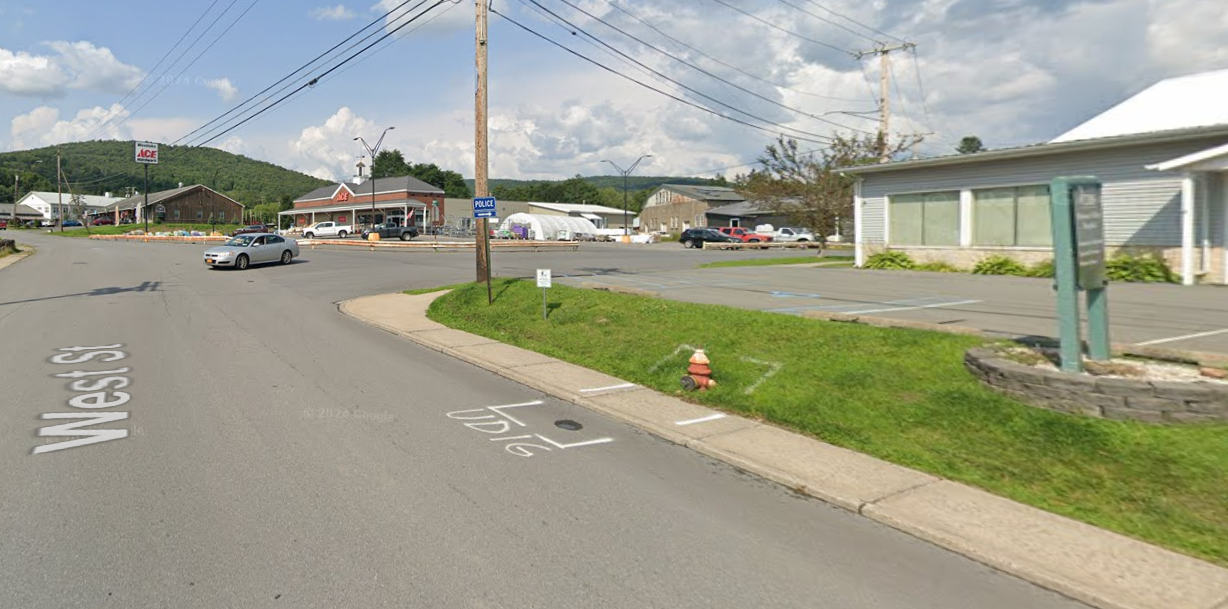
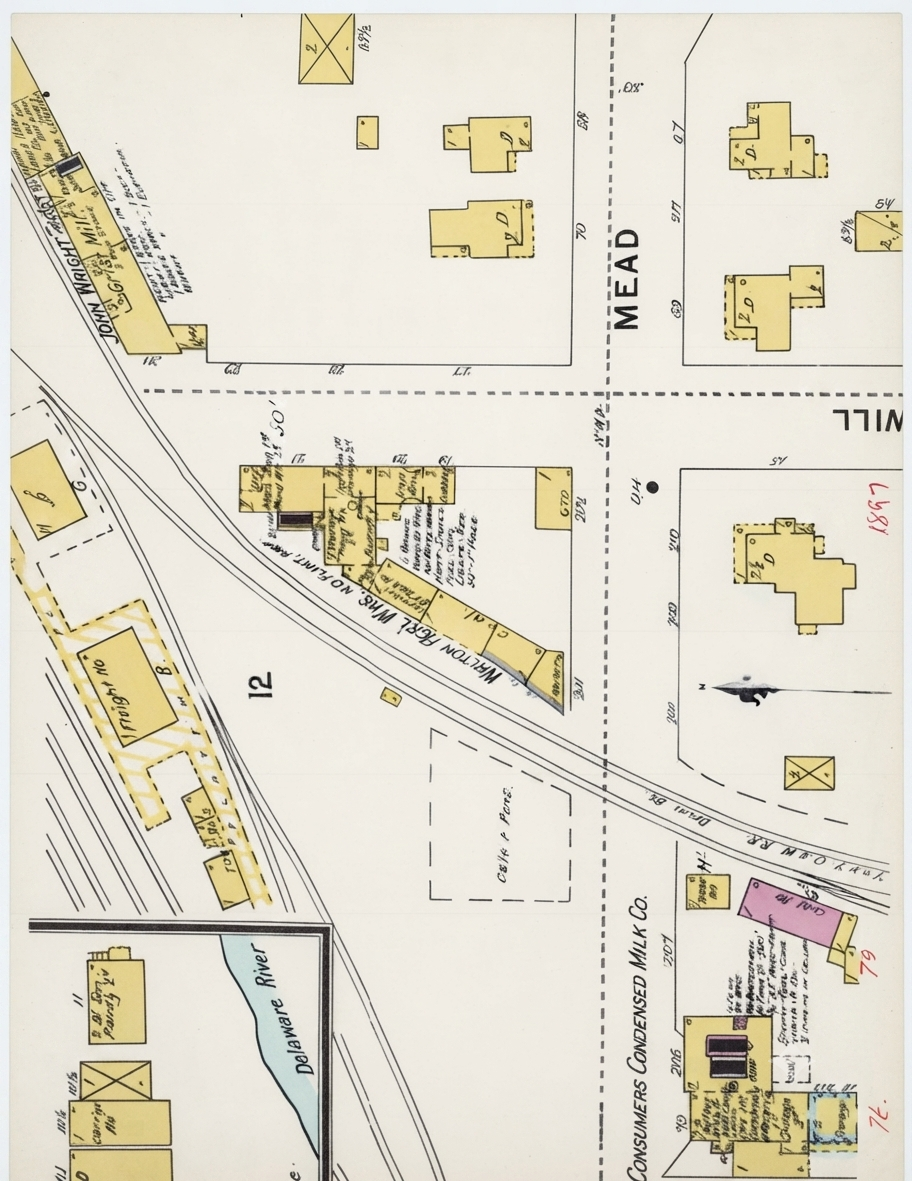
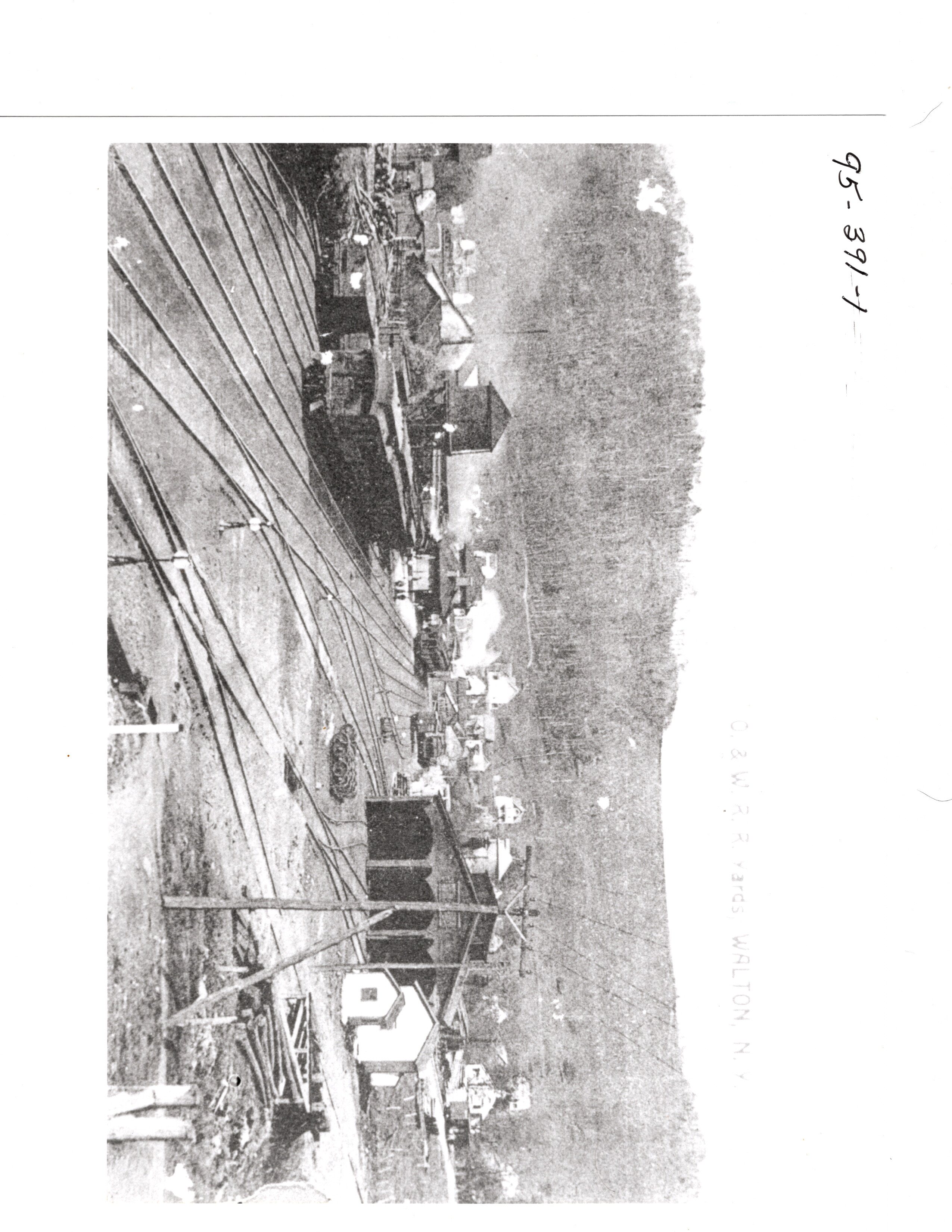
Welcome to Stop Four. Take a look around—you may not believe what I'm about to share with you! You are now standing where the economic lifeblood of the valley once roared to life. This is the historic site of the O&W Railroad Depot, where Ace Hardware sits today.
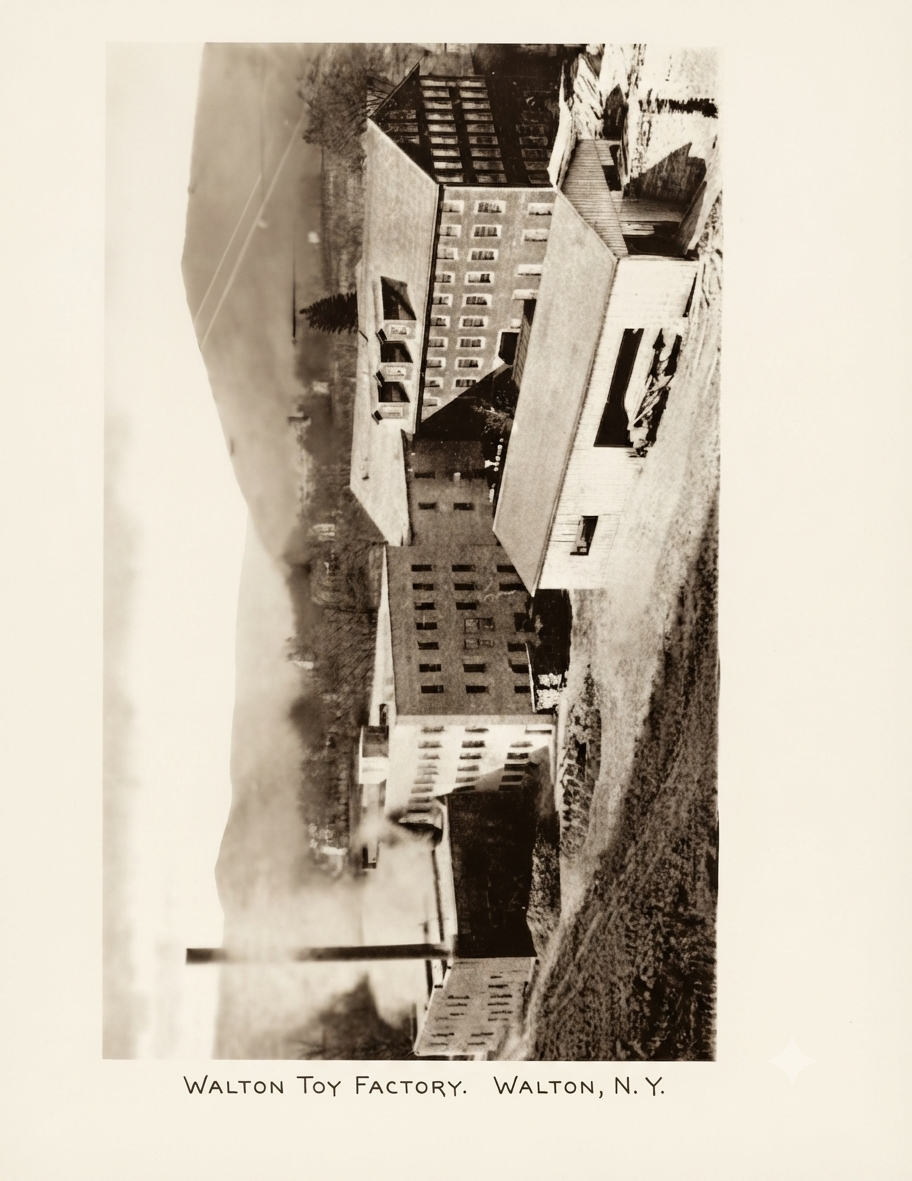
Without this rail line, the heavy machinery powered by the East Brook and the products hammered out in the valley's foundries would have stayed trapped right here in the mountains. But let me tell you, that didn't happen by accident. Walton’s visionary leaders didn't just sit back; they actively lobbied, petitioned, and fought to ensure the railroad routed straight through town. They knew that connecting the Catskills to the outside grid was the ultimate key to permanent prosperity.
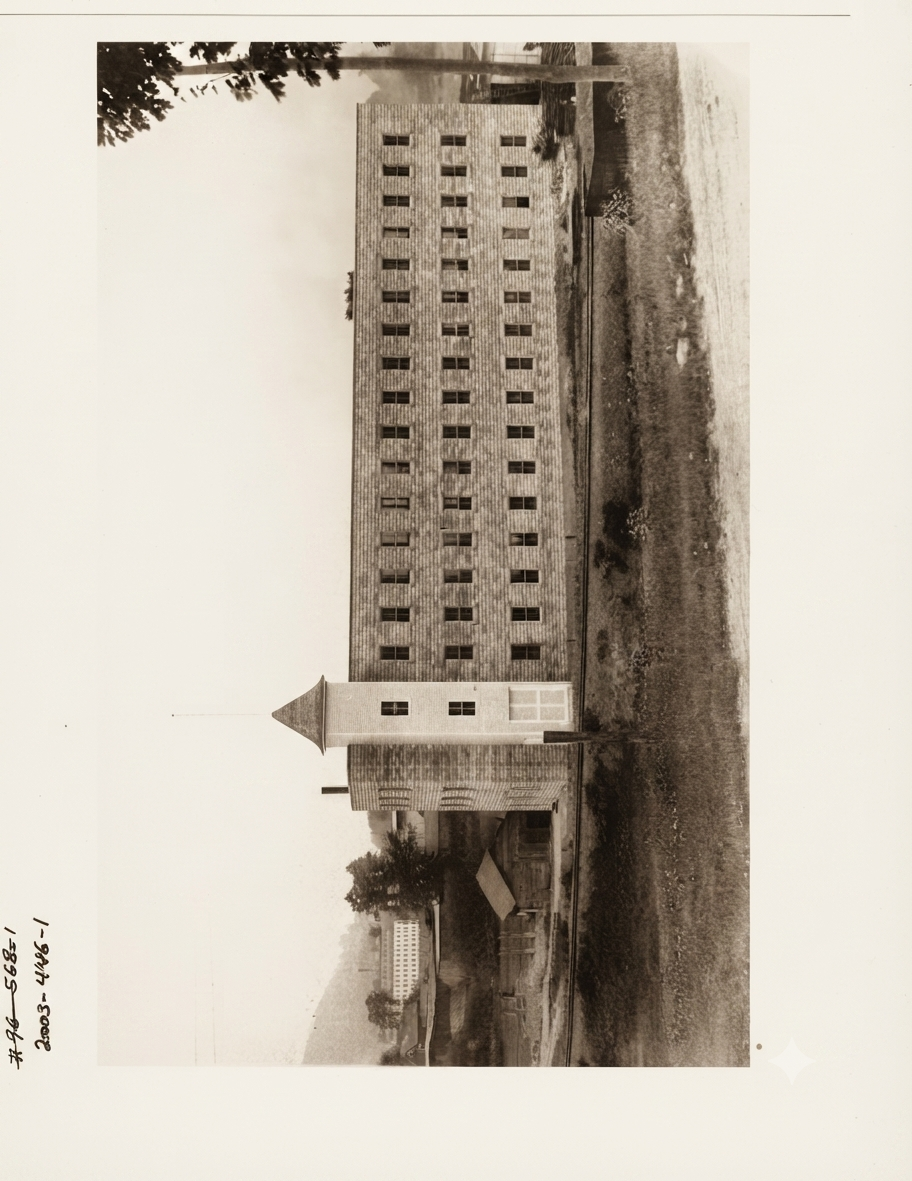
When the New York, Ontario and Western Railway finally pushed through in 1871, it completely transformed the valley's economy by creating a massive two-way street. On one side, you had the inbound engine—trains hauling in the raw coal, heavy iron, and bulk materials required to feed the West Street factories. On the outbound pipeline, finished retail-ready goods—from Munn pianos to local woodworking and foundry castings—could be shipped directly to metropolitan markets.
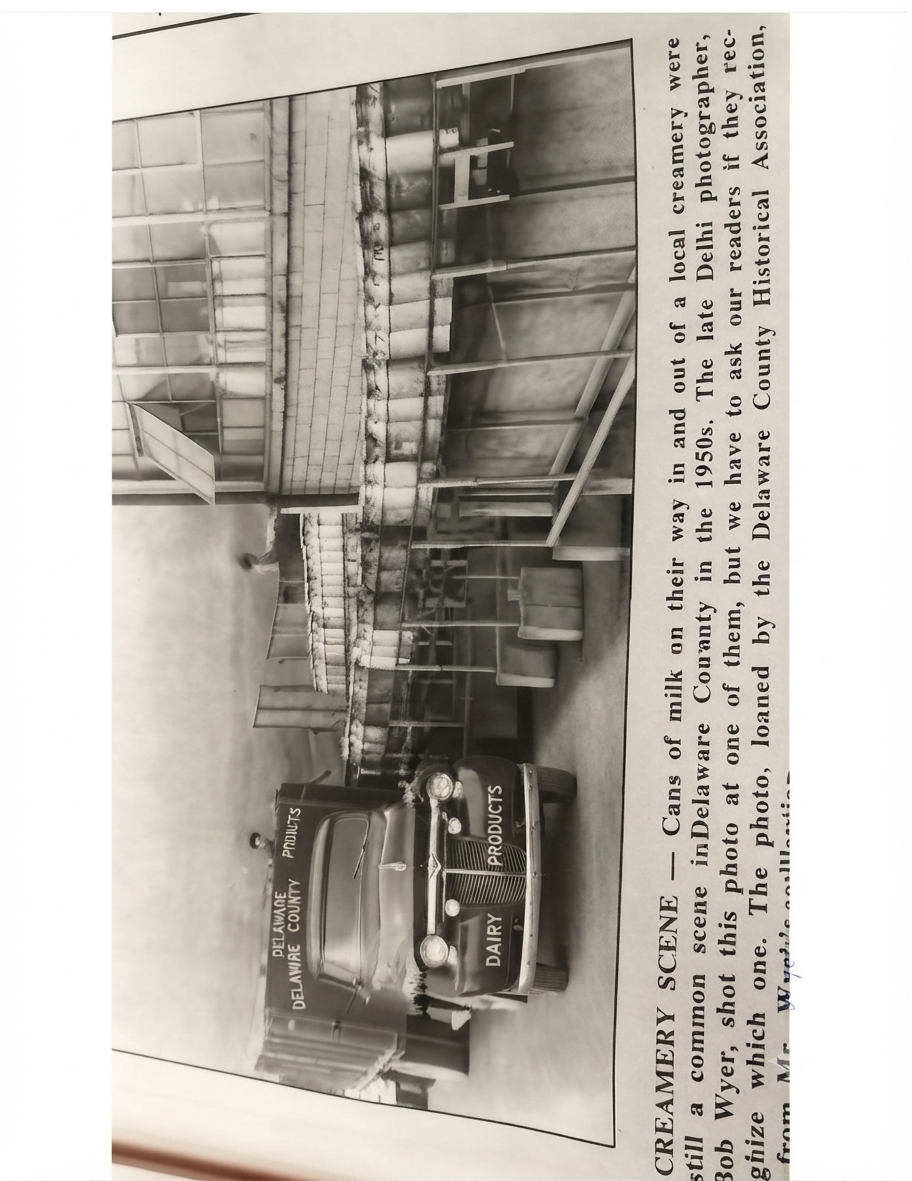
And that connectivity blew the doors wide open for the region's defining agricultural powerhouse, anchored right here by the massive Sheffield Farms Dairy operations.
Picture this area around 1910. Can you see it? It was an absolute bottleneck of horses, wagons, and early pickup trucks lined up to unload. Farmers hauled in heavy forty-quart milk cans to be weighed, tested, and processed as they moved along plant conveyors. Fresh product was loaded directly onto waiting rail cars, and farmers headed back out with clean cans.
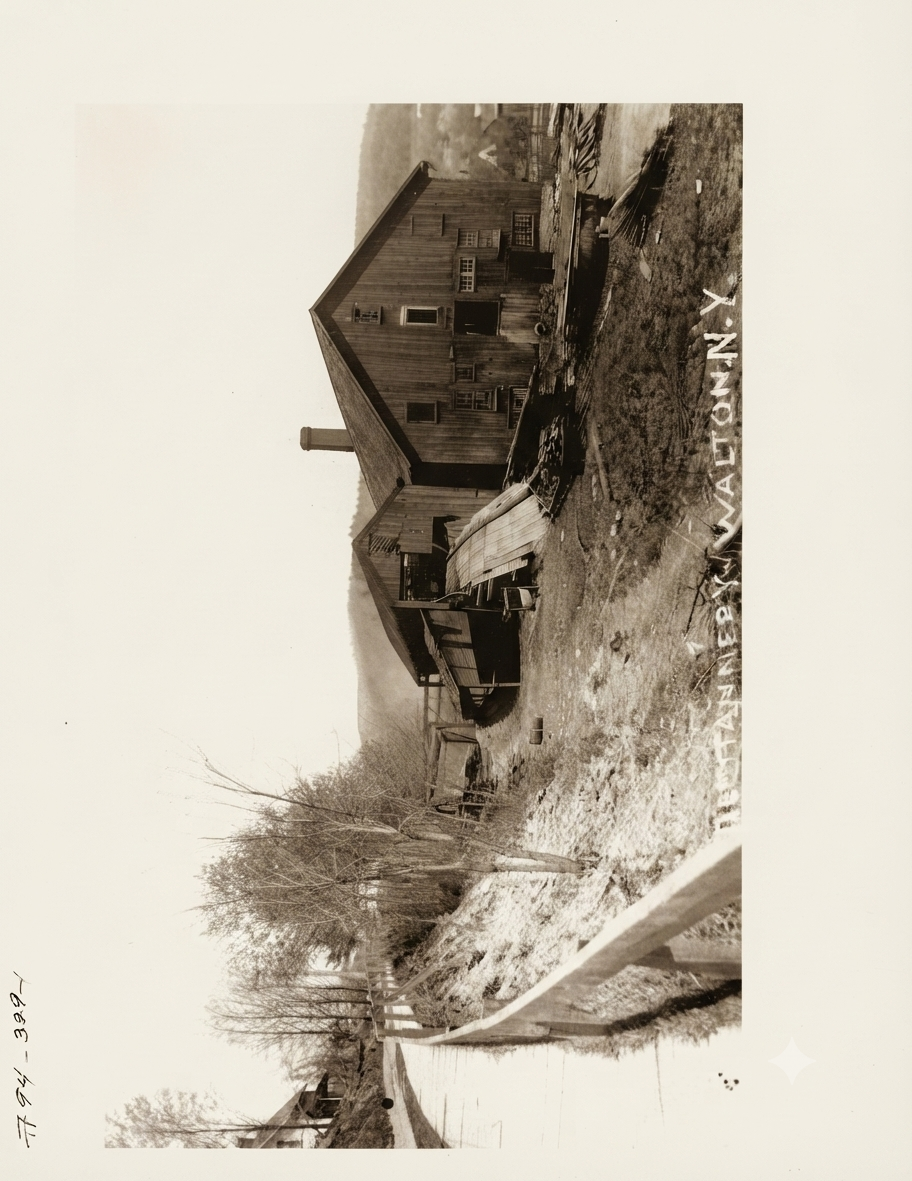
But how do you keep that massive operation running before modern electrical refrigeration? The dairy relied heavily on local water resources and an absolute back-breaking winter ritual: the nearby ice pond. Dug out by hand with horses, scrapers, and shovels—a brutal grind moving thousands of cubic yards of earth—in the end, the pond provided massive blocks of winter ice. They stored them in insulated houses to cool the milk all year round.
When the O&W Railway finally shut down in 1957, the writing was on the wall for the old rail-reliant creamery era, paving the way for modern diesel tanker trucks and highway transport.
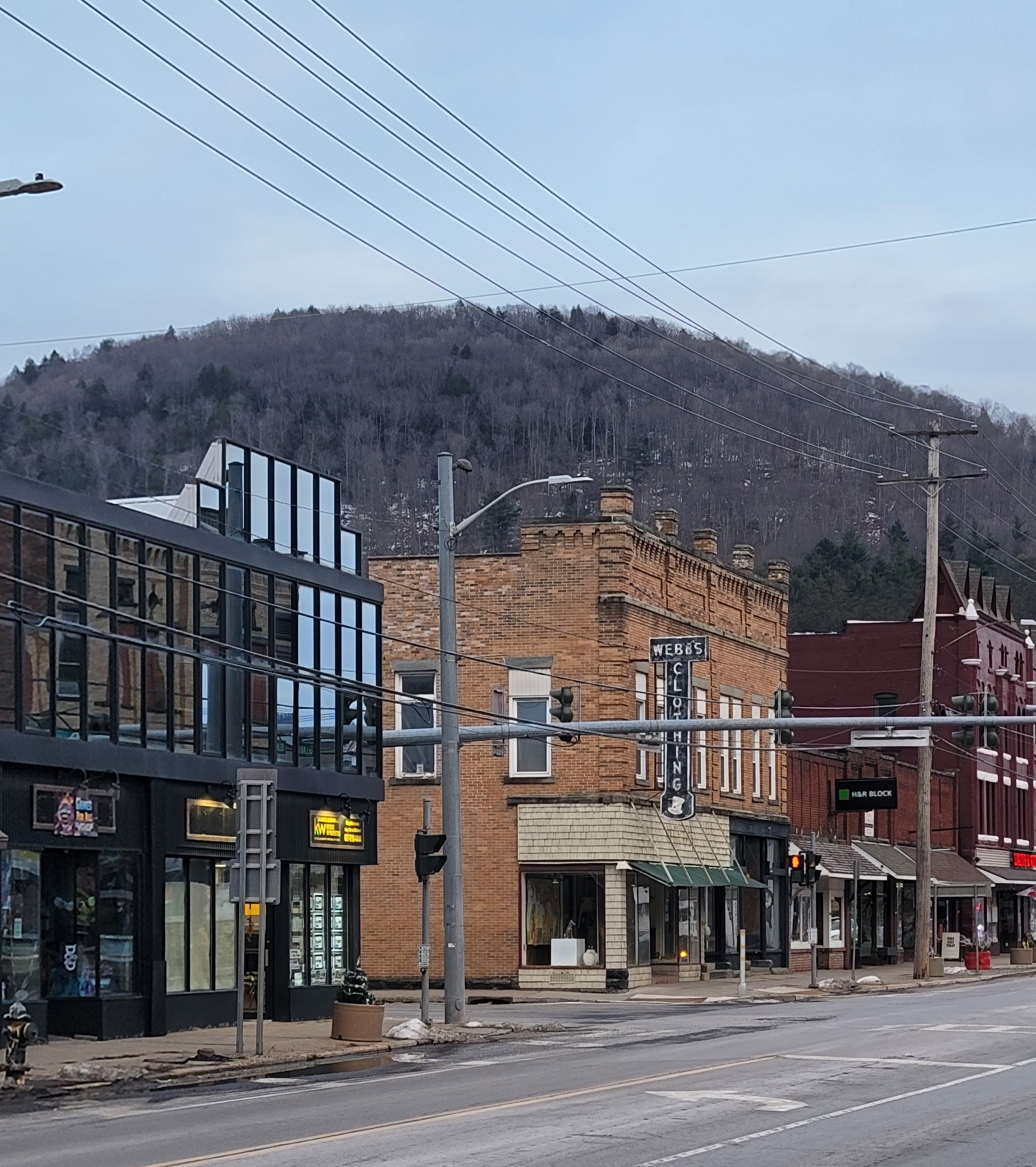
As you look around today, modern asphalt and buildings have largely covered the physical footprint. The sights been changed but the history remains etched into the ground. Just as this entire corridor has found a new birth of function, so too has the old Sheffield Ice pond. After many years of private ownership, it has received a remarkable rebirth to become The Walton Pond—a restored piece of our history for the public to enjoy.
Powered by the water, built by visionary leaders, and connected by the rails, this spot is where Walton turned local grit into a regional agricultural empire.
Directions to Next Stop
Turn right on Mead Street. One block up is our next stop at Awestruck Mill.
How was your experience?
We hope you enjoyed the Walton Heritage Trail. Please take a moment to rate your experience and share your thoughts with us.