Howell Street

Follow along with AI audio
Speak with Echo
Ask questions about this stop's history
Click the chat bubble to start. Just allow microphone permissions so Echo can hear your side of the conversation!
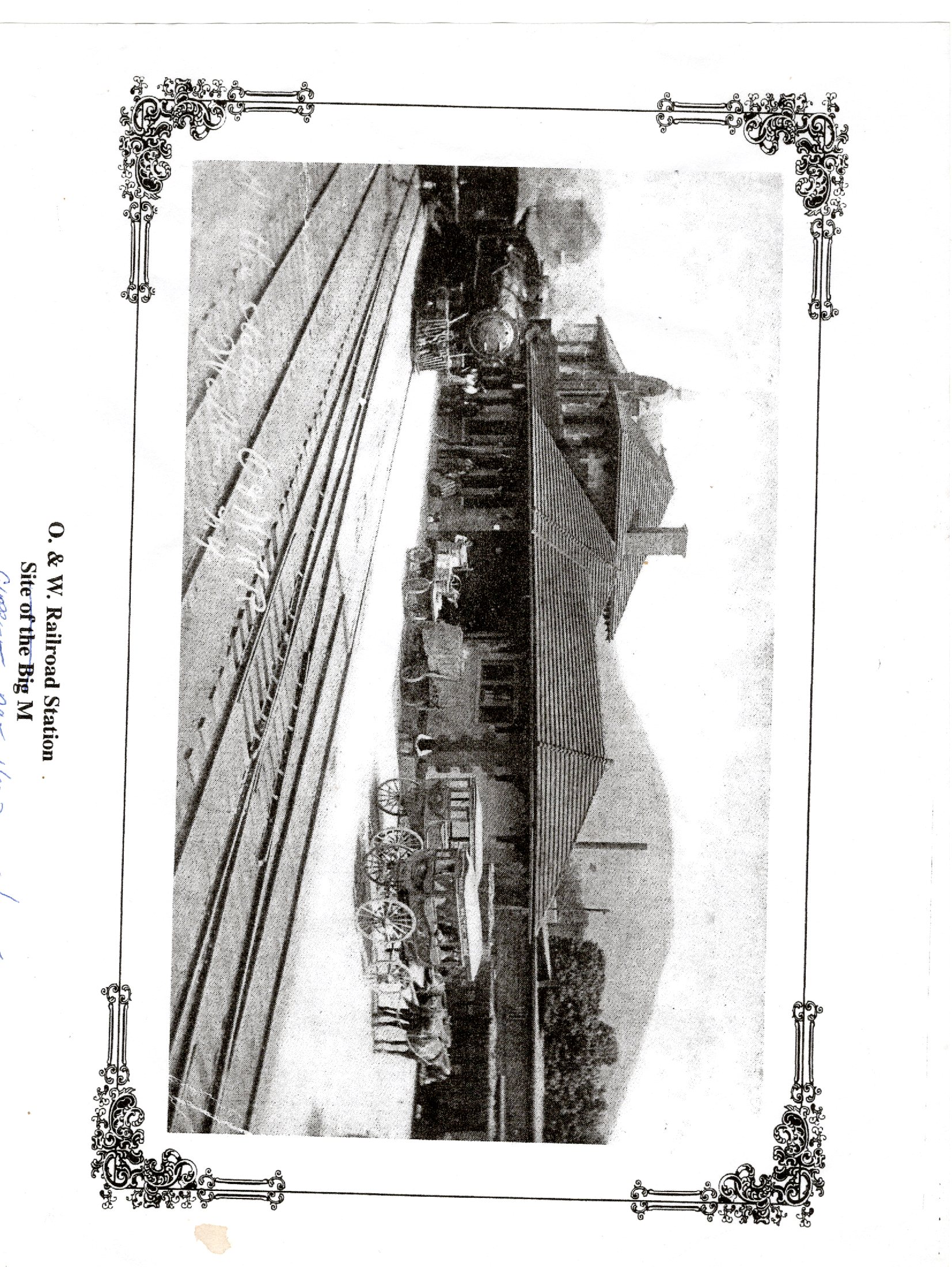
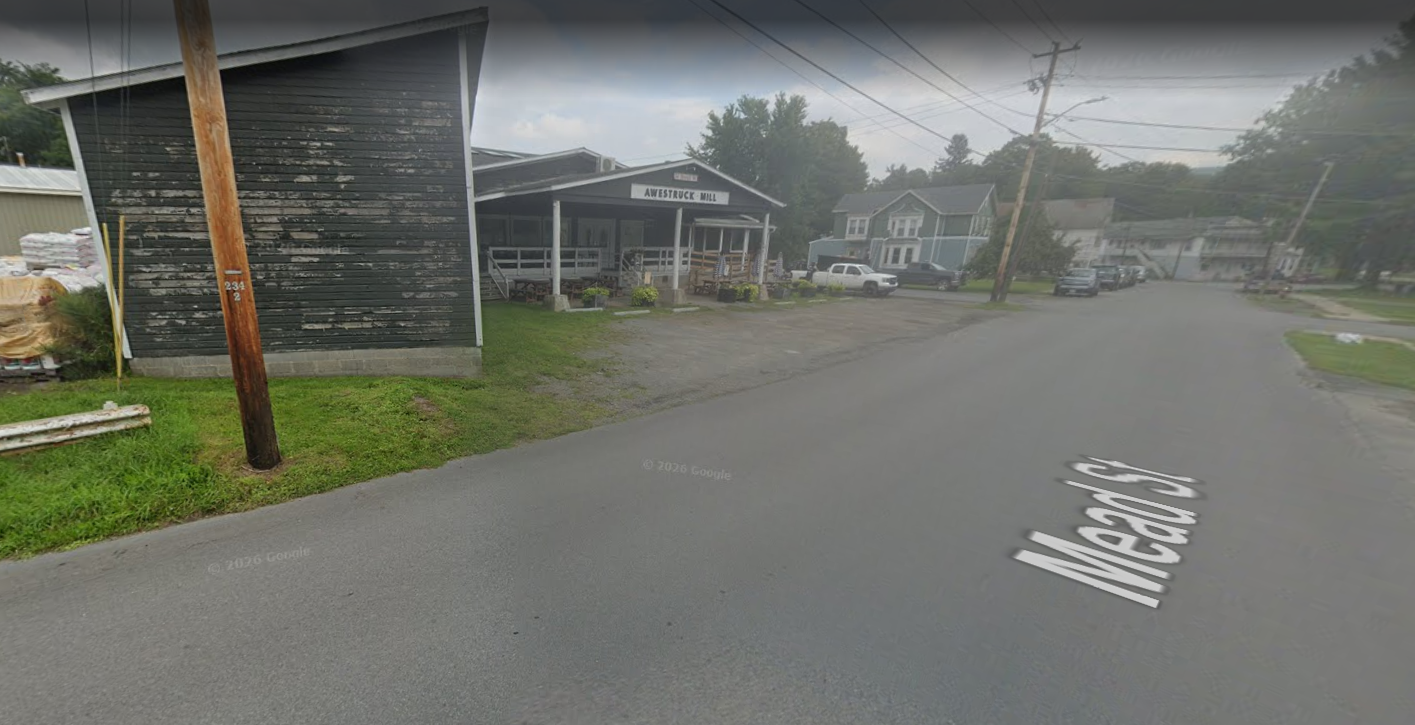
Here we are at stop 5, Mead & Howell Street. Strip away the quiet of today and put yourself right in the thick of the industrial age. Just down that dirt driveway embed in the earth are old rail ties from an era when this part of the village roared.
Because of the rail road, in the the early 1900s, Delaware County became famously recognized as one of the largest producers of dairy products, not just in New York State, but at times ranking among the largest producers of any county in the United States. The cows needed food, and right here stood the heavy storage silos and massive foundations of Camp Mill built to store and distribute the grain. This was a heavy-duty agricultural anchor tied directly into the transport grid via a dedicated rail switch.
Now as a hub, local leadership fought to bring the rails through, extending the vital Delhi Branch right past this block. They didn't just lay tracks; they engineered an economic engine.
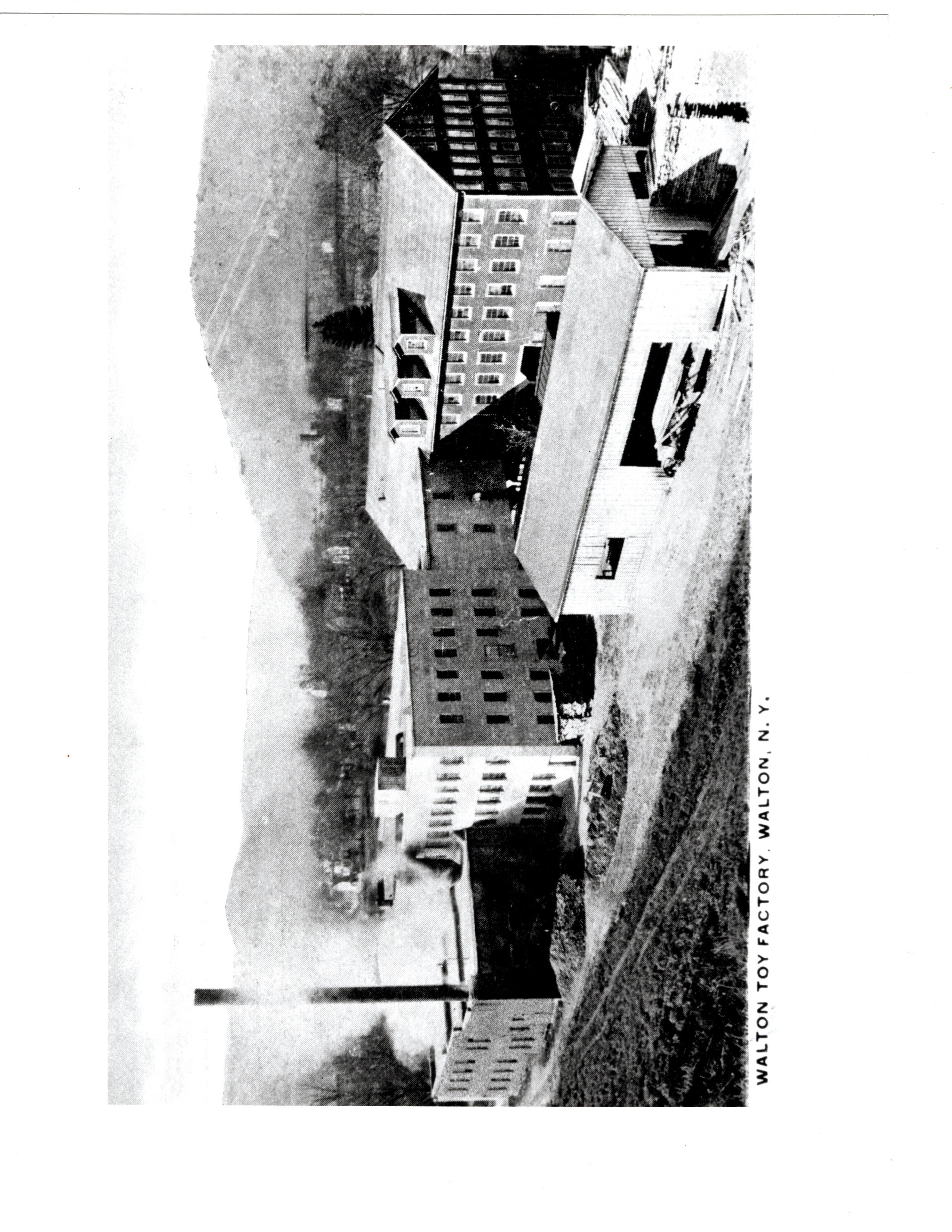
This pocket of the valley exploded because Walton had a momentum and an industrial horsepower that most towns its size could only envy.
Picture the scene: freight boxcars constantly being shunted aside, backed right up to the loading bays to take on and discharge the bulk grain and feed required to fuel the regional dairy boom.
Behind the mill operations, Howell and Mead streets transformed into a crowded, breathing neighborhood. Workers marched to the steady rhythm of shift changes and train whistles blowing up to 30 to 40 times a day. It was the heartbeat of Walton in it's time.
Prosperity and opportunity created a housing demand that was so intense, builders couldn't keep up. Boarding houses welcomed new comers, and families within families were formed, and they became neighbors as new housing was built.
This corridor was alive with motion—teams of heavy draft horses, iron-tired wagons, and early delivery trucks fighting for space with rail passengers and local residents. It was noisy, dirty, and relentless.
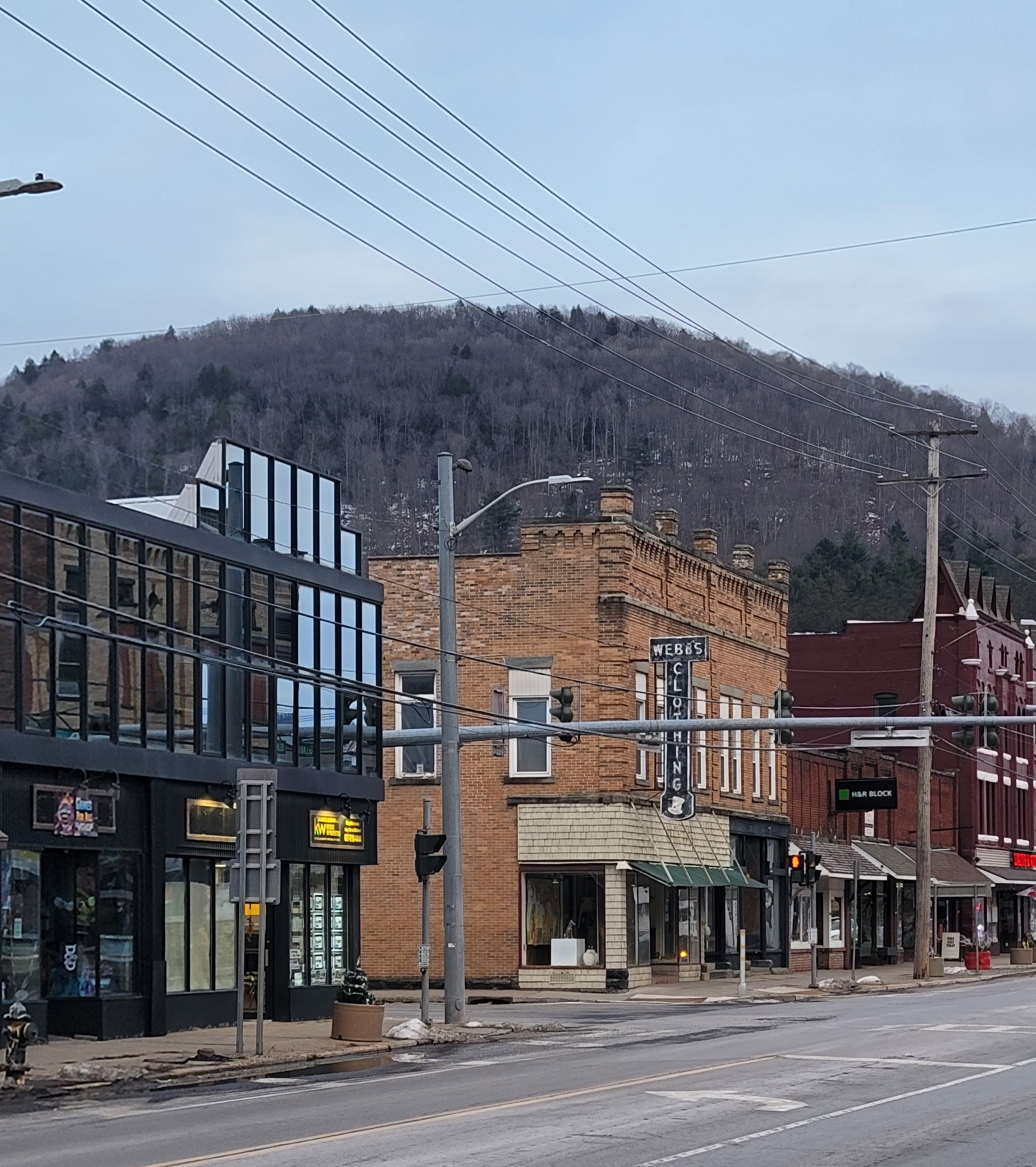
This infrastructure didn't just supply the factories; it funded the prosperity of the thriving downtown commercial district just blocks away.
People came to Walton because it was a magnet for opportunity—a booming manufacturing and transport hub whose heartbeat echoed across the entire valley.
Directions to Next Stop
Continue down Mead Street just a couple of blocks to Shepperd Street for stop 6.
Support Our Sponsors
This trail is made possible by local businesses like Decker's Auto Repair & Towing, LLC.
How was your experience?
We hope you enjoyed the Walton Heritage Trail. Please take a moment to rate your experience and share your thoughts with us.