How Walton Began
Follow along with AI audio
Speak with Echo
Ask questions about this stop's history
Click the chat bubble to start. Just allow microphone permissions so Echo can hear your side of the conversation!
Imagine, if you will, right here in 1785. You’re looking out into a massive, unbroken wilderness. No electricity, no roads, no law enforcement—just thick forest as far as the eye can see. Can you picture that? That’s exactly what five brave families saw when they arrived here.
The man leading them was Dr. Platt Townsend. He was a highly respected medical doctor, but he decided to trade his comfortable life to build a brand new vision in the wilderness. He bought a five-thousand-acre chunk of land from a wealthy New York City merchant named William Walton.
Now, here’s the funny thing about William Walton—he owned a massive twenty-two-thousand-acre plot out here granted by the King of England, and while the town bears his name, he actually never lived a single day in it! It was Dr. Townsend and the founding families who did the heavy lifting.
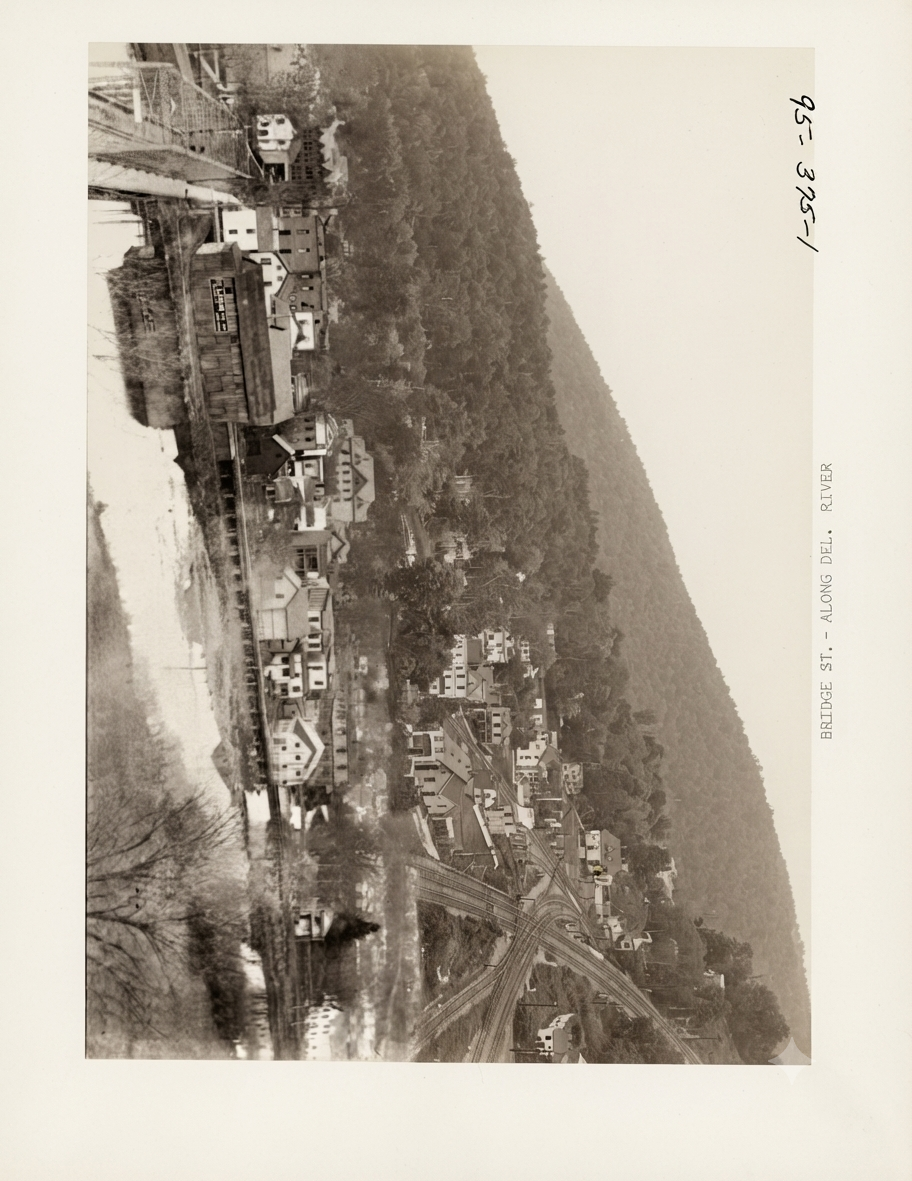
They were looking to escape the post-Revolutionary War chaos down in New York City, so they packed up whatever they could carry. They traveled by sloop, horse and wagon, and then horse back as they cleared there way through the wilderness down to the West Branch of the Delaware River to start a new life in Walton.
But getting here nearly broke them. The terrain was so rough they had to leave the most vulnerable members of their party behind in a settled town. Tragically, Townsend’s own wife passed away while he was away on this venture.
When Mrs. Elizabeth North finally dismounted from her horse, she became the first woman to actually set foot in the valley. Can you imagine the silence? They found themselves standing in a wall of virgin white pine and hemlock—some of these monsters were a hundred feet tall and five feet around.
This dense valley was a prime hunting ground for local Native Americans, which meant the wildlife was plentiful... and dangerous.
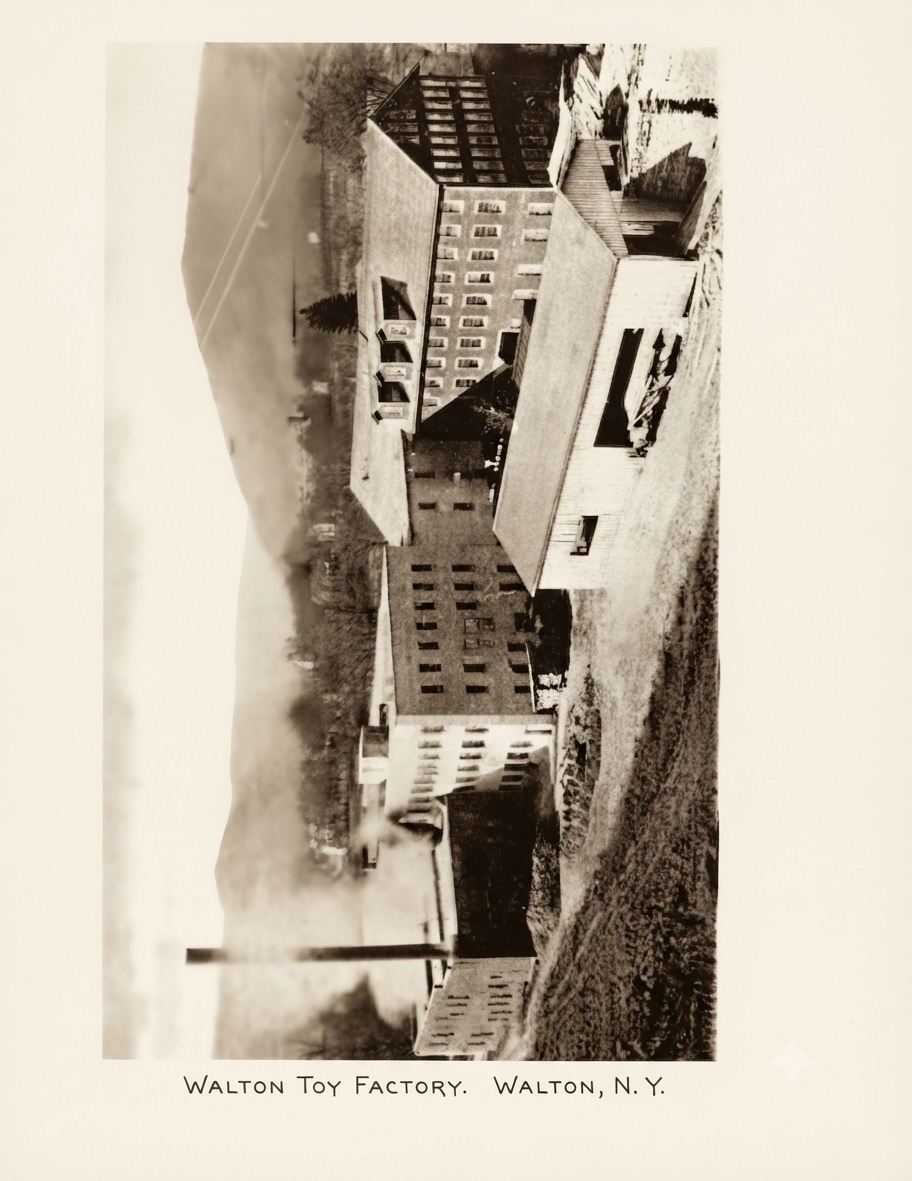
For shelter, they crammed into the first thing they could find: it has been said they found a old trappers cabin and other accounts say it was left from timber pirates from a time ago. an abandoned lumberman’s shack. As they set out to claim their land, they had to tackle those massive trees. Timber quickly became Walton’s first industry, but it was agonizingly slow going.
It took an entire month of backbreaking labor just to clear a single acre—felling, trimming, cutting logs, and digging up massive root systems by hand. All of that, just so they could plant crops and smooth the way for the exact spot you’re standing on right now.
Welcome to Walton, established in 1786.
Today, the center of town is our main commercial district, but the very first commercial hub was actually a few blocks up on "the hill" near mount pleasant. presumably they choose this area for protection from floods. They soon put up tents for their families and as they built cabins they built them around there tents as fortification and then roofs and the first homes were built. Pretty smart, Ya?
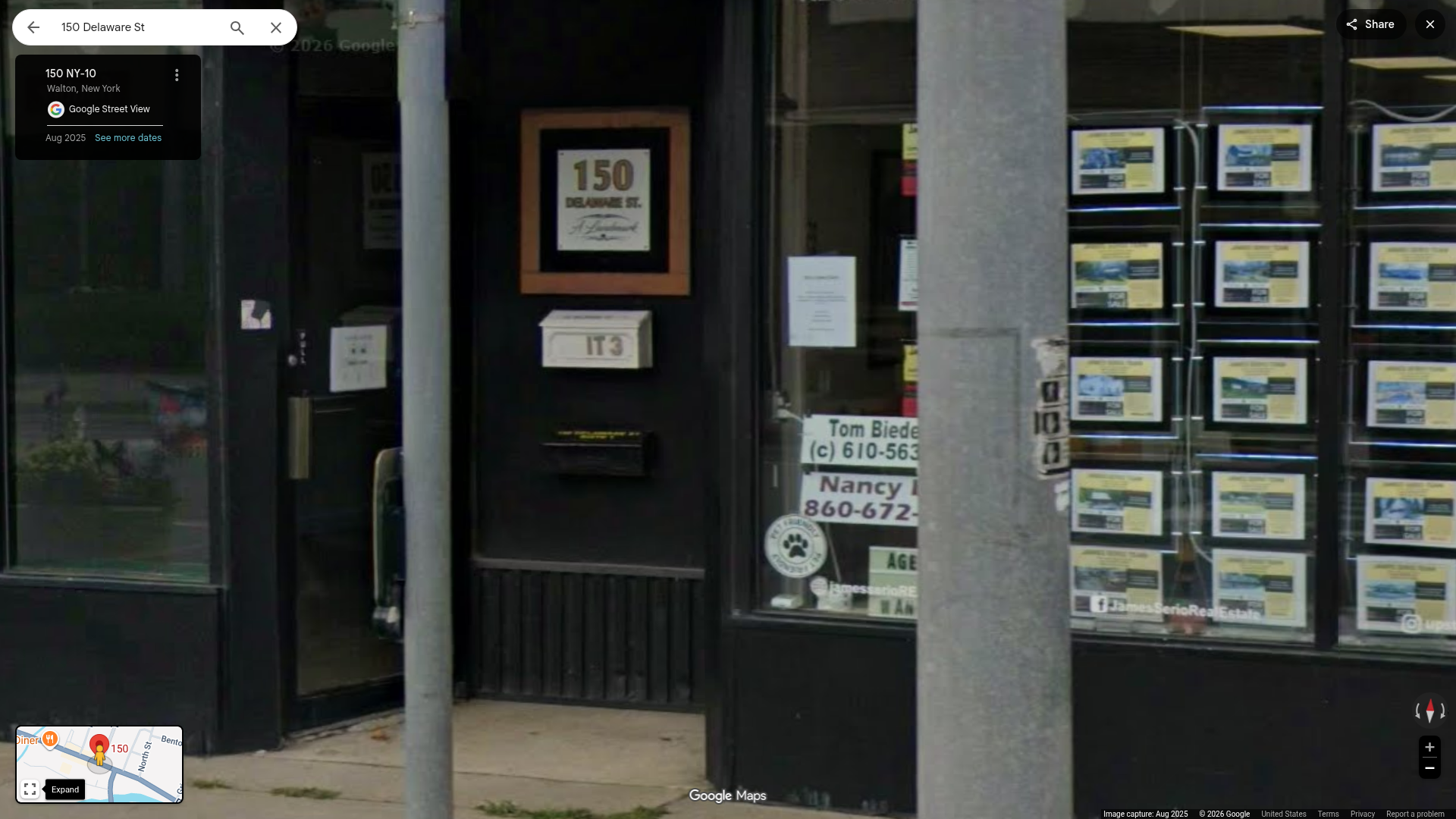
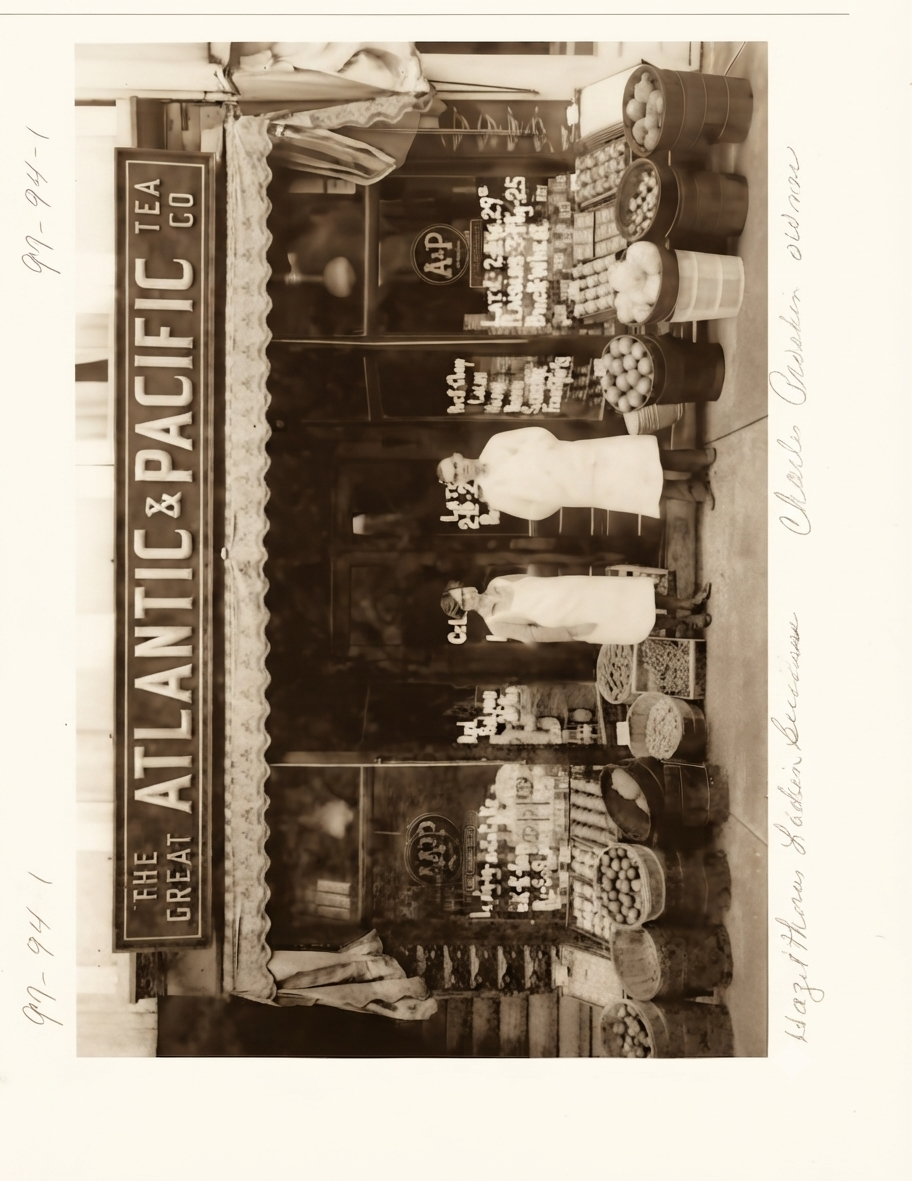
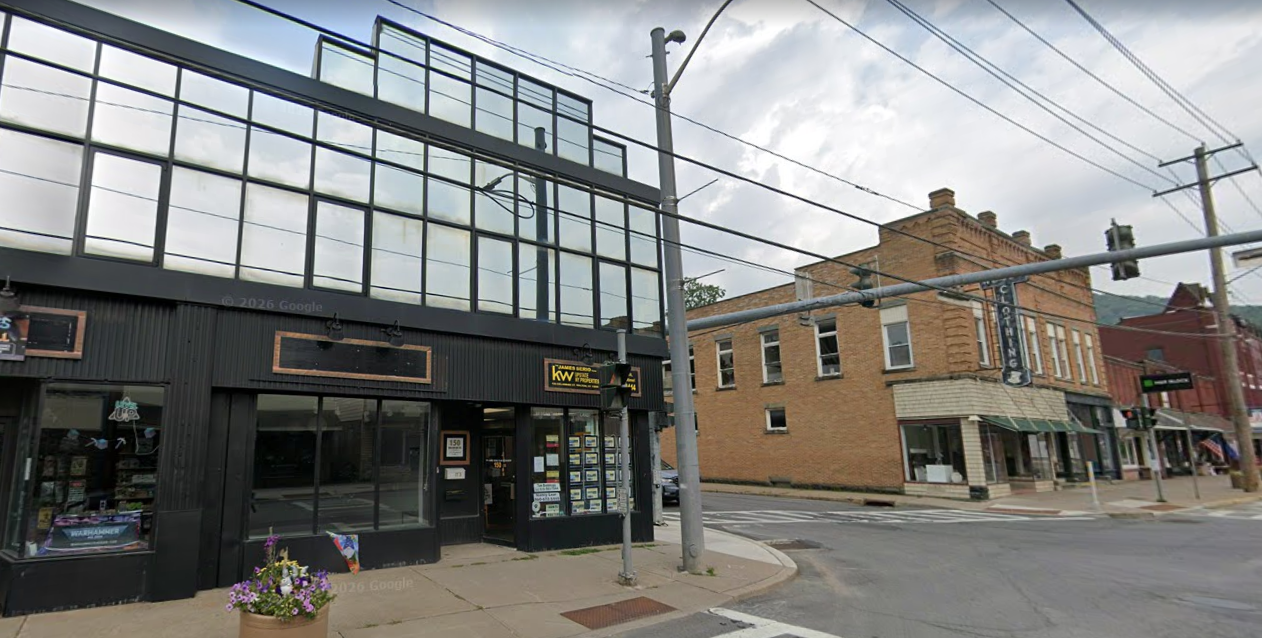
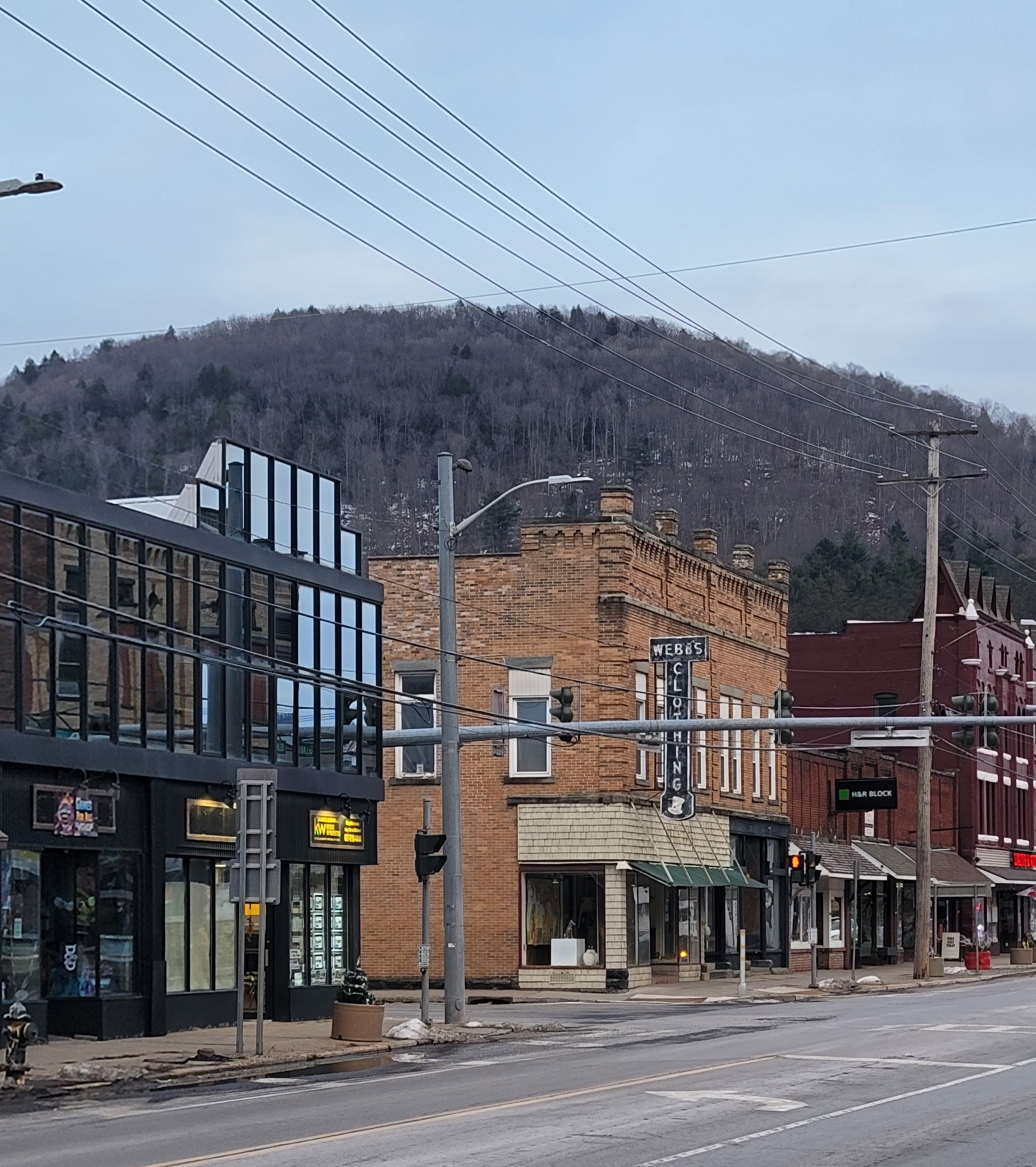
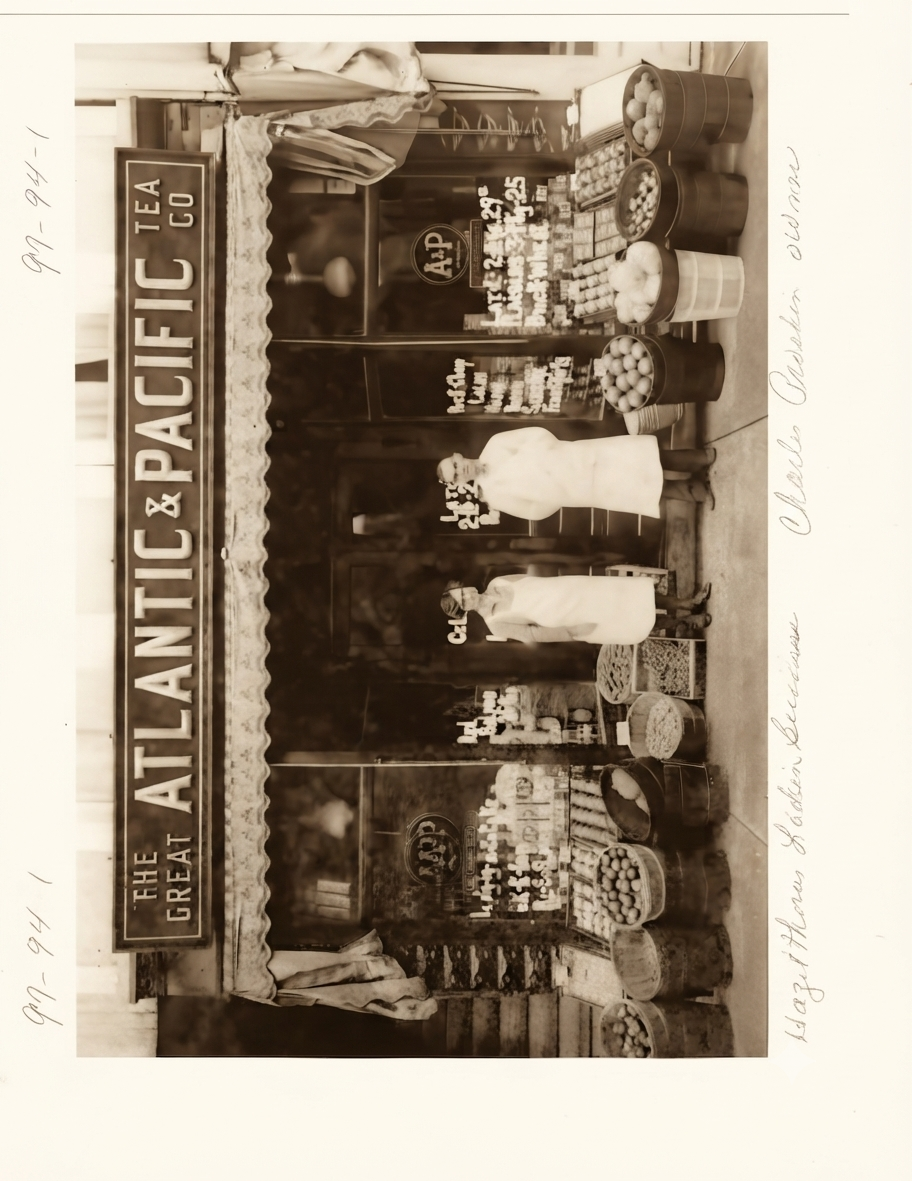
Where you are standing right now on Delaware Street has been Walton’s main street since 1810. It started simply as a dirt trail cut through Townsend’s property to reach the other founders’ farms before becoming part of the turnpike. It has been the beating heart of our commercial district ever since.
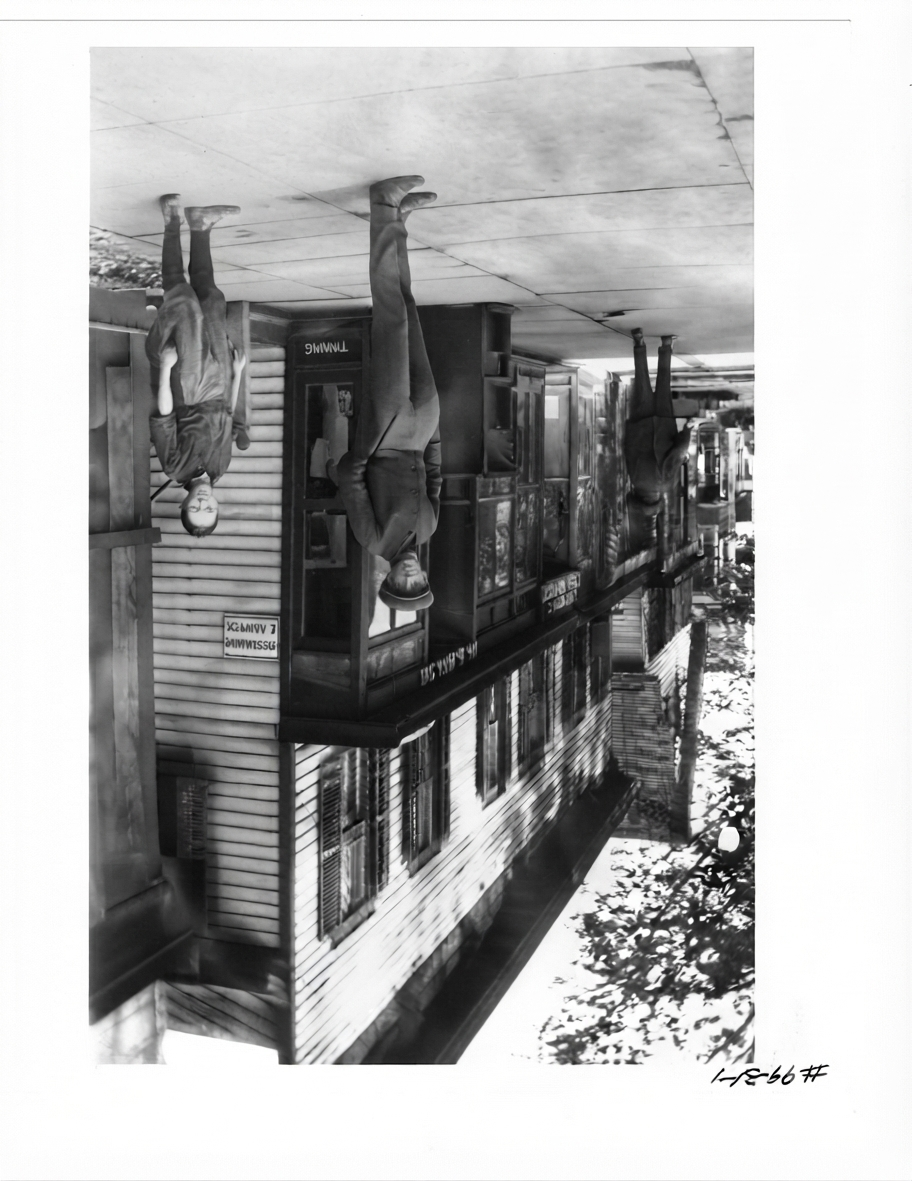
But look around... most of our original timber structures are gone. They burned down in devastating downtown fires before bricks finally replaced wood. That turn-of-the-century brick architecture is what survived the flames and is preserved as part of the skyline... Fires were devastating, destructive and counter productive. So, in 1879 local minds got together and formed The Walton Water Company. These guys headed up the hills on third brook and dug a massive reservoir to hold 14 million gallons of fresh mountain spring water.. They hooked it up to an 8 inch iron pipe and gave the town fresh water. It delivered so much natural pressure from the 206-foot drop that hydrants could throw water straight over the rooftops without needing steam pumpers.
Right behind you stands the Wayne Bank building, Walton’s first financial institution. It has burned down several times over the decades, yet its heavy 1800s-era vault is still in use inside today.
And just down from the bank is Tony's Shoe Store, a cornerstone local business started by the Cucciarre family in the early 1900s. They've kept our historic downtown operating for well over a century.
Directions to Next Stop
Now turn to your left and walk down Delaware Street towards Big M. We're going to go a couple of blocks to our next stop, just past the Walton school bus garage.
How was your experience?
We hope you enjoyed the Walton Heritage Trail. Please take a moment to rate your experience and share your thoughts with us.