West Street — Water, Then Power
Follow along with AI audio
Speak with Echo
Ask questions about this stop's history
Click the chat bubble to start. Just allow microphone permissions so Echo can hear your side of the conversation!
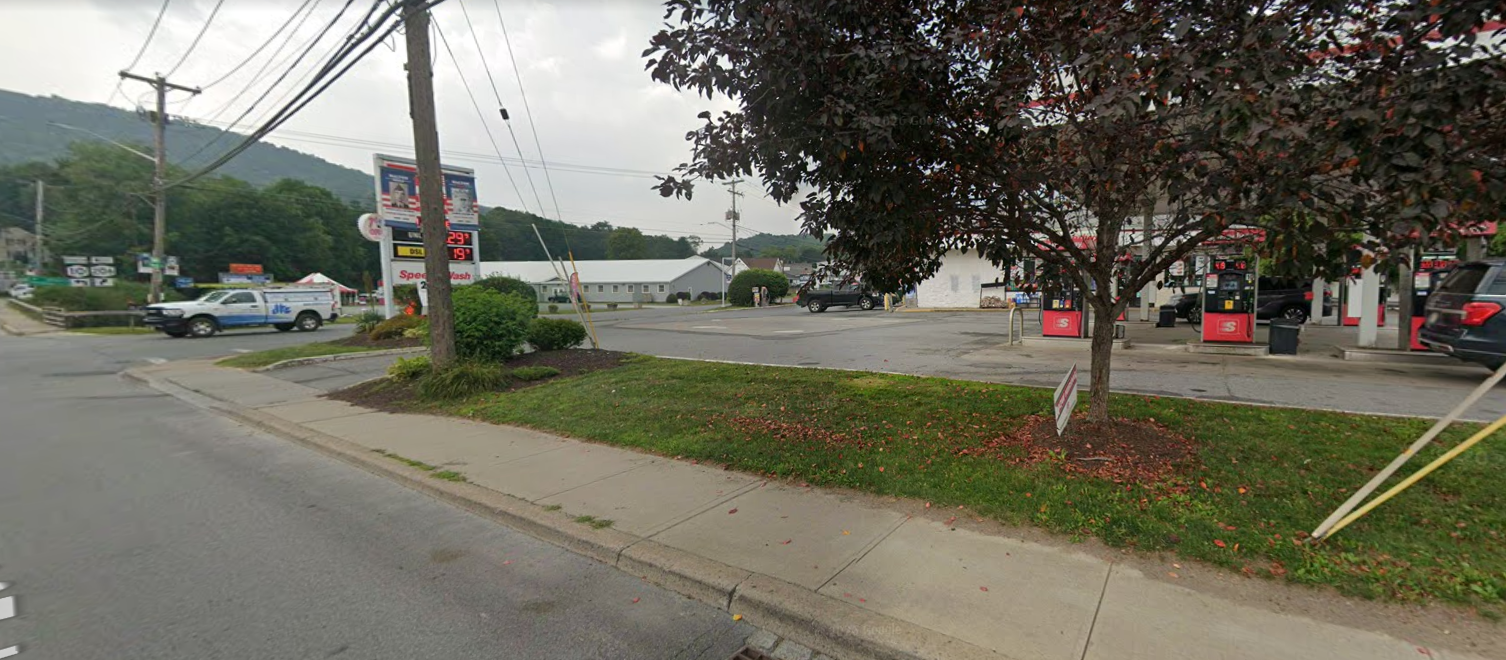
Welcome to Stop Three. Look around you—you are now looking across the western artery of the village. This was the industrial spine of the valley, an engine built not just by brute labor, but by brains, grit, and an absolute vision to see things through to success.
When Dr. Platt Townsend and the early settlers arrived, they weren't frontier drifters chasing quick timber money. They were educated, culturally diverse entrepreneurs and leaders backed by capital and social influence. While other boomtowns were hastily stripped of their resources by outside speculators who took the money and ran, Walton was built to thrive. They brought the framework of a progressive society right into the Catskill wilderness—laying out infrastructure and executing a master plan.
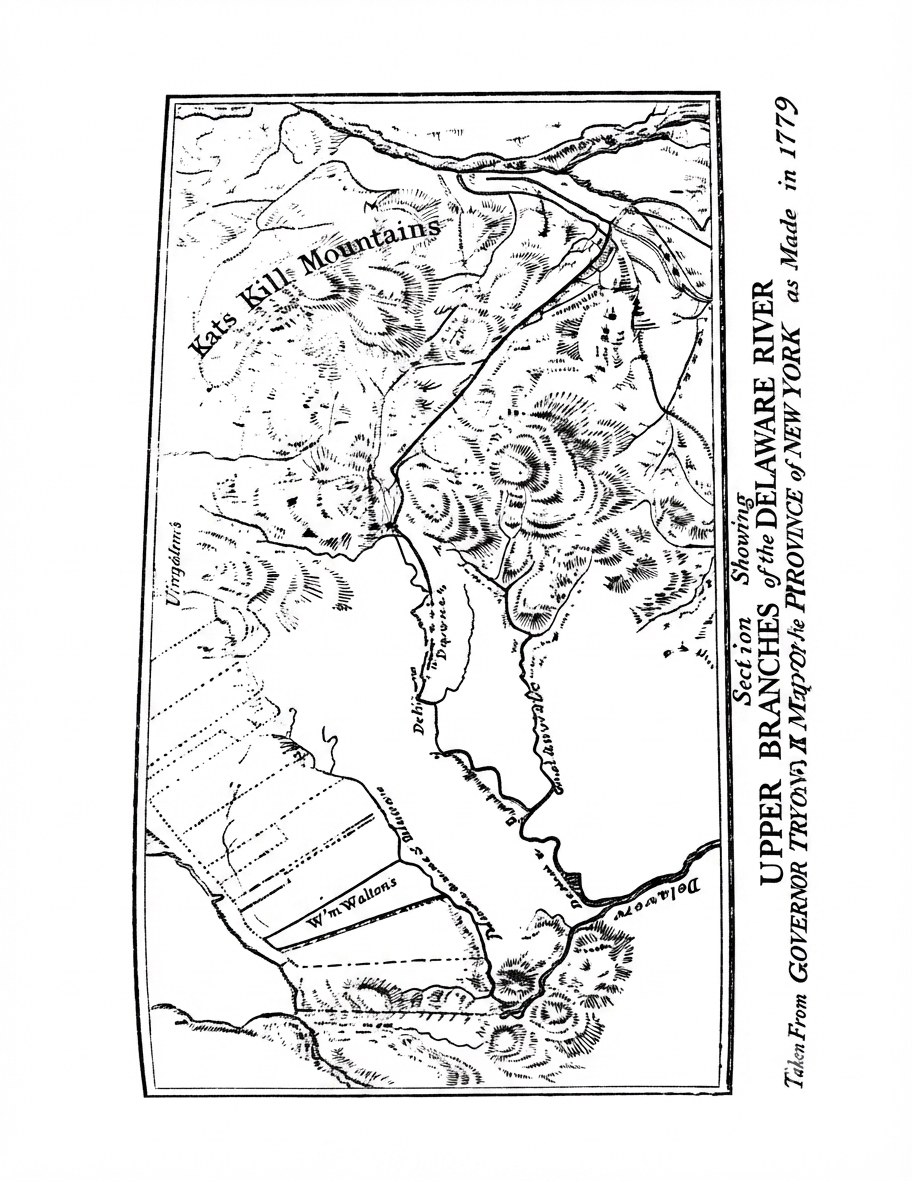
That visionary mindset shaped this entire corridor. Long before the massive factories arrived, early pioneers hugged the banks of the natural brooks flowing down from the mountains. Third Brook, East Brook, and West Brook were all sites of the early mills that accelerated progress dating back to the valley's very first water-powered saw and gristmills in the late 1780s and 1790s. The first mill built was by Michael Goodrich during this time frame.
Can you picture what that mill meant to people out here? Before it existed, if you wanted flour, you packed up your grain and made a grueling, days-long trek to Schoharie or Hobart. Once that wheel started turning? That industrial footprint never left.
Because of that forward-thinking mastery of local water resources Walton was light-years ahead of other early settlements. Long before any national grid existed, local leaders leveraged this infrastructure to electrify the valley. Operating as the Walton Electric Light and Power Company, founded in 1888, they utilized steam generation cooled and supplied by the constant flow of the brooks and the reservoir. They illuminated the village streets and power local enterprise. Think about that—while most of rural America was still stumbling around with kerosene lamps, Walton had electric lights glowing on the street!
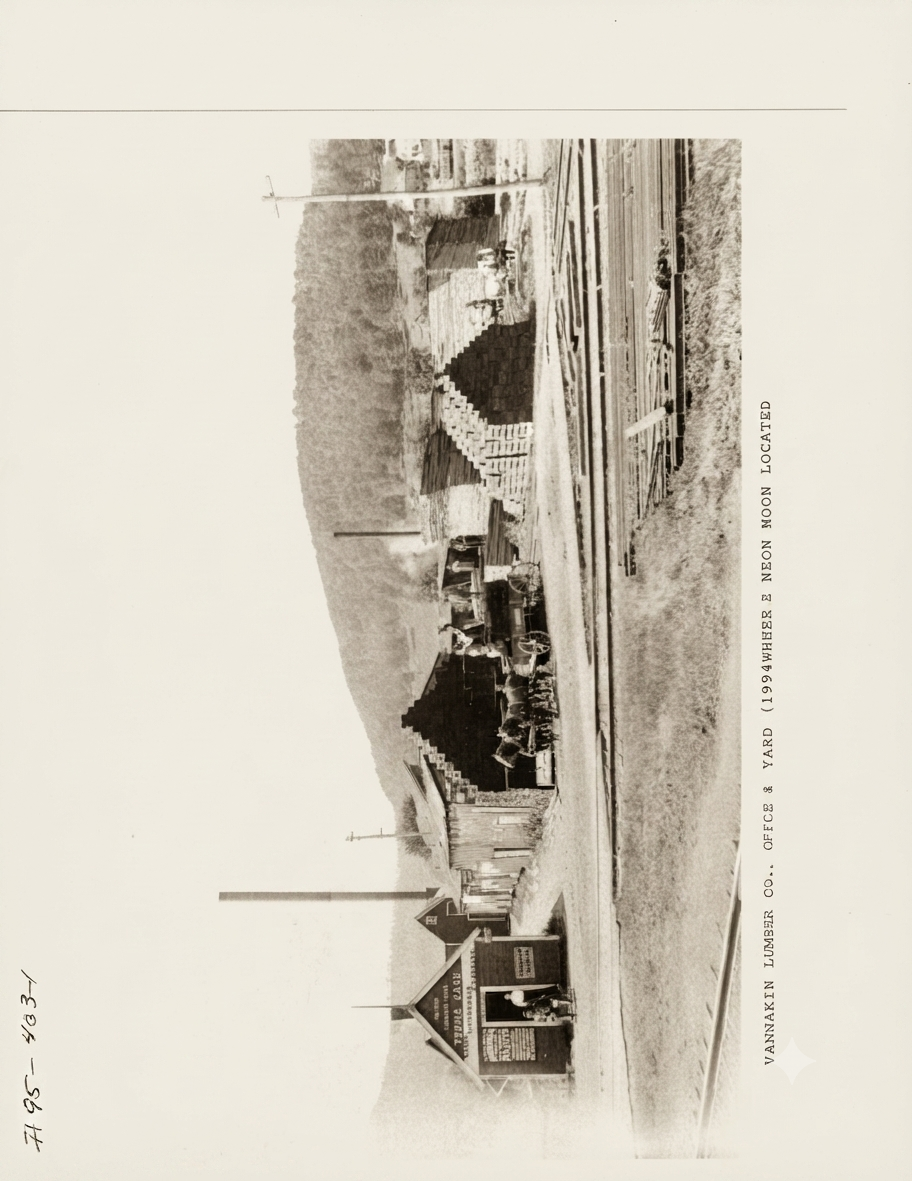
As the decades rolled on, that water and electric-powered hub exploded into heavy industry. The Walton Foundry, from 1881, became a blue-collar powerhouse churning out agricultural implements and iron castings. Bailey's Woodworking and the Bean Brothers' bowling pin shop capitalized on the region's timber resources. And in 1901, James Munn opened a massive piano factory right here—manufacturing upright pianos under the signature 'Walton' brand before later transitioning into a silk mill.
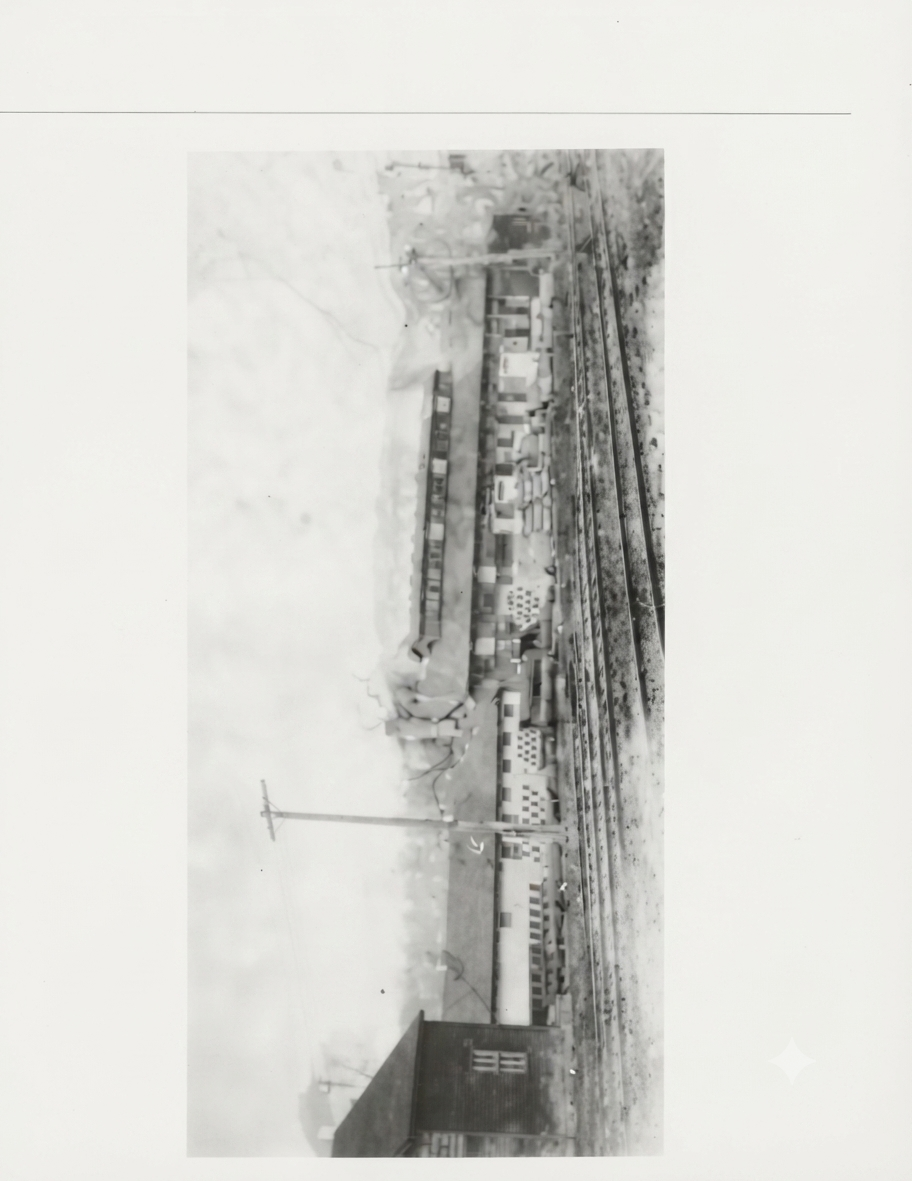
Everything shifted into high gear with the arrival of the New York, Ontario and Western Railway in 1871. Slicing right through the corridor, it provided a way for massive stockpiles of coal, timber, and finished goods to be shipped out to broader markets.
Sure, the economic tides have shifted over the last fifty years, the way they do everywhere. But this street is still standing on the same undeniable foundation. Built on vision, fueled by the brook, and wired for the future by hard-working men who knew exactly what needed to be done, this corridor stands as a permanent statement of what Walton's founders brought to the table.
Directions to Next Stop
Now walk up West Street for our next stop by Ace Hardware. Corner of West & Mead
How was your experience?
We hope you enjoyed the Walton Heritage Trail. Please take a moment to rate your experience and share your thoughts with us.